

1. Two Common Cable Fault Types
Before testing, confirm the fault type to avoid wrong troubleshooting steps.
Short Circuit Fault: Phase-to-phase contact caused by insulation breakdown, overheating, or mechanical damage. Typical signs include instant breaker tripping, fuse burnout, and obvious cable overheating.
Ground / Earth Fault: Cable core contacts armor, sheath, or ground. It often occurs in buried, humid, or corrosive environments. Common symptoms include unbalanced voltage, leakage current, and intermittent tripping on rainy days.
2. Pre-Test Preparation (Mandatory)
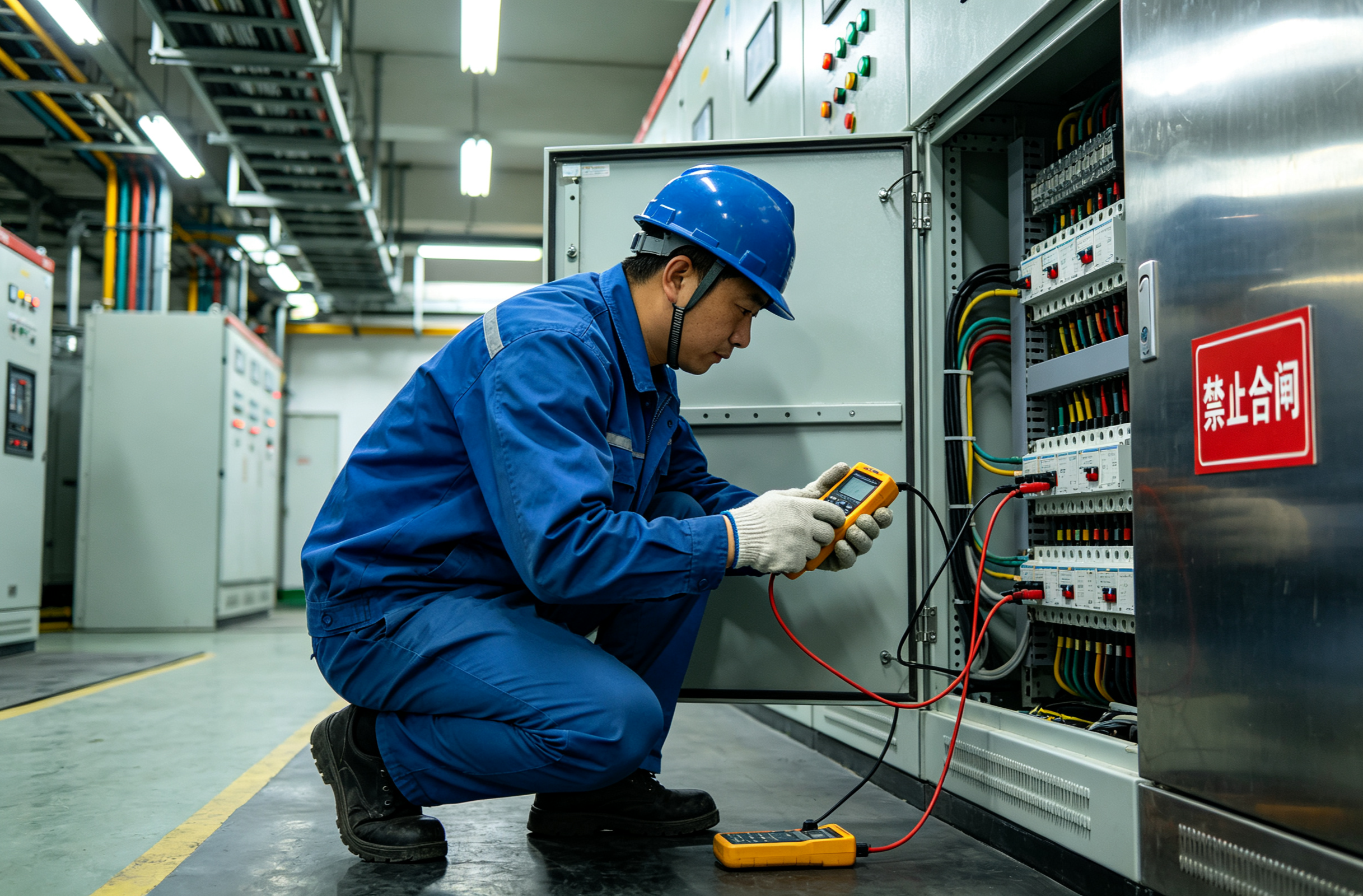
Follow these steps to ensure accurate and safe testing:
- Cut off all power and fully discharge residual capacitance
- Disconnect terminal loads and joint boxes to isolate the cable
- Test insulation resistance with a suitable megohmmeter (500V/1000V/2500V)
Quick judgment: Near 0Ω = hard short/ground fault; unstable low resistance = damp or partial breakdown; gradual low resistance = aging insulation.
3. Fast & Professional Fault Location Methods
3.1 TDR Pulse Method (For Low-Resistance Faults)
Time Domain Reflection is the standard method for direct short circuits and low-resistance ground faults. The instrument sends pulse signals and calculates fault distance via wave reflection. It works fast for buried long-distance cables and gives accurate distance data without excavation.
3.2 High-Voltage Flashover Method (For Hard-to-Find Faults)
Most intermittent faults belong to high-resistance faults. Insulation resistance looks normal under low voltage but breaks down under load. The flashover method applies controlled high voltage to force flashover, converting hidden faults into testable points. Ideal for water ingress, aging insulation, and weather-related tripping.
3.3 Acoustic-Magnetic Precise Positioning
After confirming the fault section, use an acoustic-magnetic locator to capture discharge sound and magnetic signals. This method locks the exact ground point and avoids large blind excavation, which saves huge construction time.
4. Standard On-Site Troubleshooting SOP
- Isolate power & safety discharge
- Test insulation resistance to define fault type
- Use TDR / flashover test to locate fault section
- Precise positioning with acoustic-magnetic detector
- Repair or replace damaged cable segments / joints
- Re-test insulation and perform power-on trial run
5. Common Field Mistakes to Avoid
- Treating all tripping issues as simple short circuits (many are hidden high-resistance ground faults)
- Skipping discharge, leading to wrong test readings
- Blind replacement without checking environmental or overload causes
- Ignoring cable joint quality (poor joints cause over 60% of recurring faults)
6. Quick Prevention Tips
Most cable faults are preventable with correct selection and installation:
- Use armored, waterproof, LSZH cables for buried and outdoor projects
- Avoid long-term overloading to slow insulation aging
- Standardize cable joint fabrication
- Perform regular insulation checks before peak seasons
7. Conclusion
Short circuit and ground fault troubleshooting relies on standardized testing rather than experience guesswork. Mastering these fast positioning methods helps engineering and maintenance teams minimize downtime, reduce construction costs, and ensure stable power system operation.

